The Bitcoin halving, explained


About every four years the number of new bitcoin created with each block is cut in half. Why it happens and what it has meant for the price.
Key takeaways
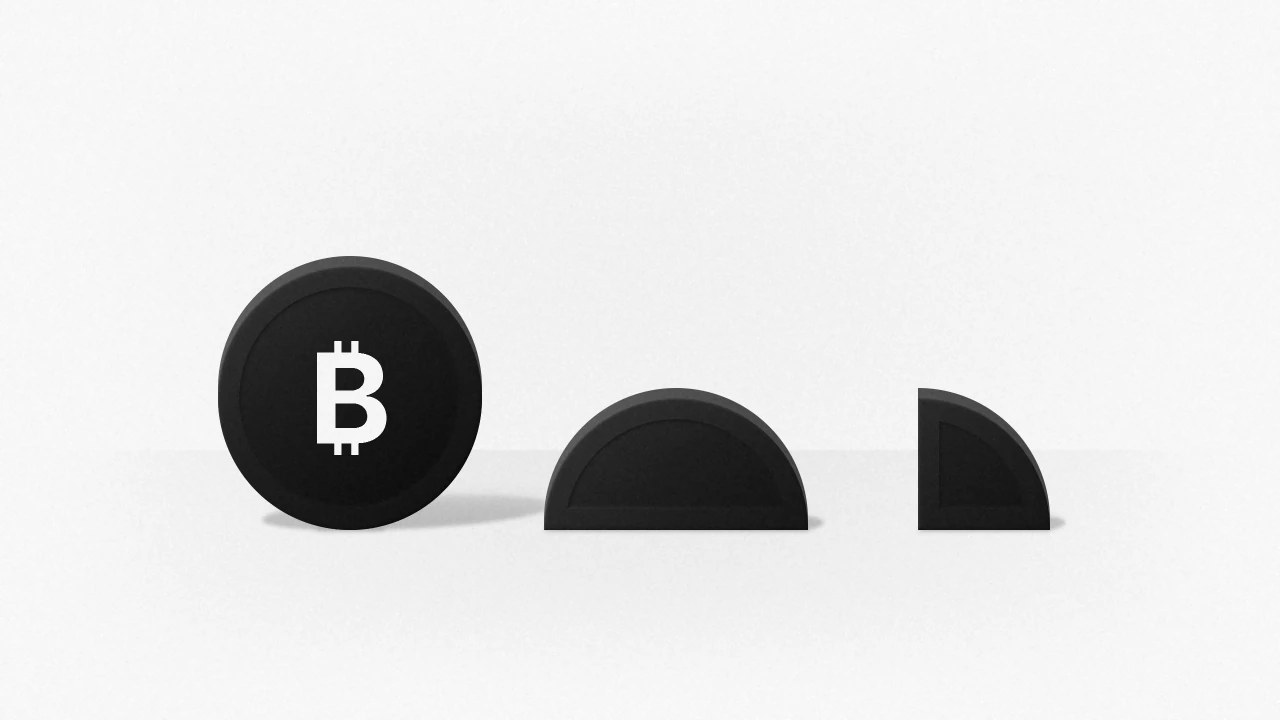
- The halving cuts the reward miners earn for each block by half.
- It happens every 210,000 blocks, roughly every four years.
- Since April 2024 the reward is 3.125 bitcoin a block.
A schedule written into the code#
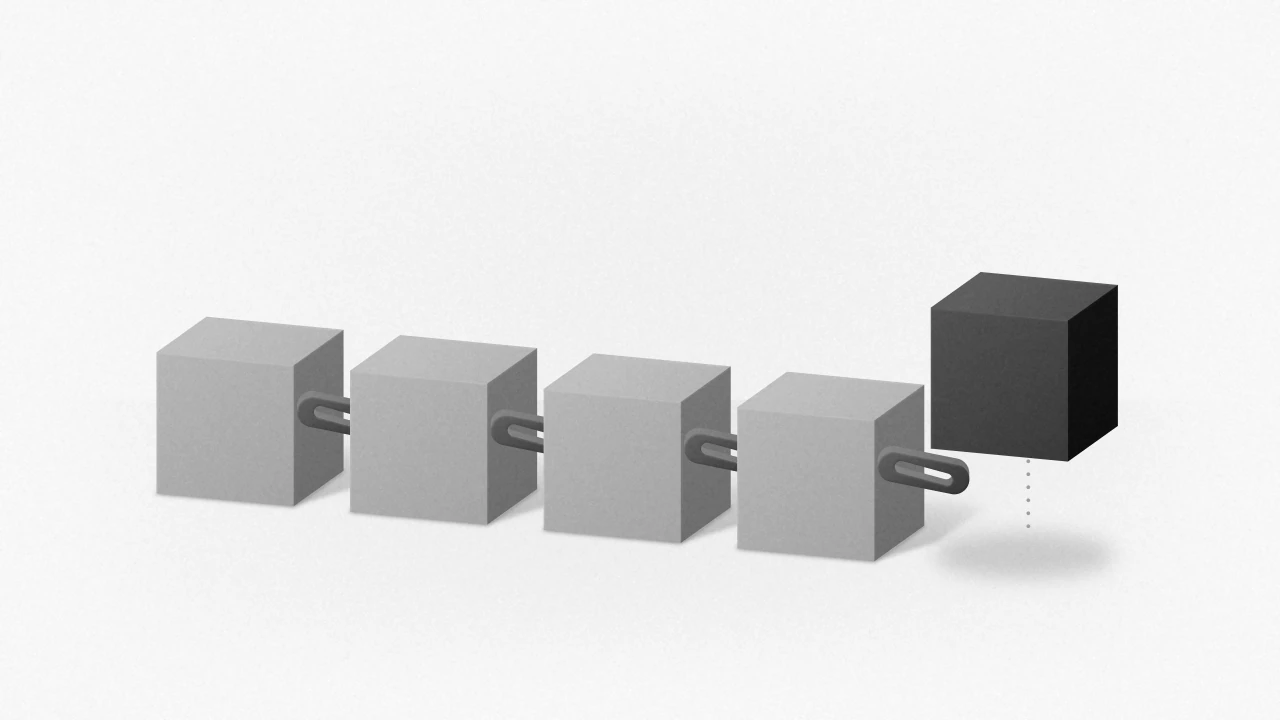
New bitcoin enter circulation as a reward to the miner who adds each block. Bitcoin's rules cut that reward in half every 210,000 blocks. Nobody votes on it and nobody can postpone it.
| Halving | Year | Reward per block |
|---|---|---|
| Launch | 2009 | 50 BTC |
| First | 2012 | 25 BTC |
| Second | 2016 | 12.5 BTC |
| Third | 2020 | 6.25 BTC |
| Fourth | 2024 | 3.125 BTC |
Why it exists#
The halvings are how Bitcoin reaches its cap of 21 million coins. Because each era issues half as many coins as the one before, more than 19 million already exist, and the last fraction will not be mined until around the year 2140.
What it has meant for the price#
After each of the first three halvings the price rose strongly over the following year or so. The reasoning is simple: the same demand meets a smaller flow of new coins. But a handful of events is a thin record, each rise was smaller than the one before, and each was followed by a fall of more than three quarters.
What it means for miners#
A halving cuts miners' income in bitcoin overnight. Those with expensive electricity switch off, and the network adjusts the difficulty of mining so that blocks keep arriving about every ten minutes.
A halving is known years in advance, so markets price it in early. It is not a signal to buy.