How commodity futures work


The oil or wheat price you see is the price of a contract for delivery at a later date. How futures work and why that matters to you.
Key takeaways
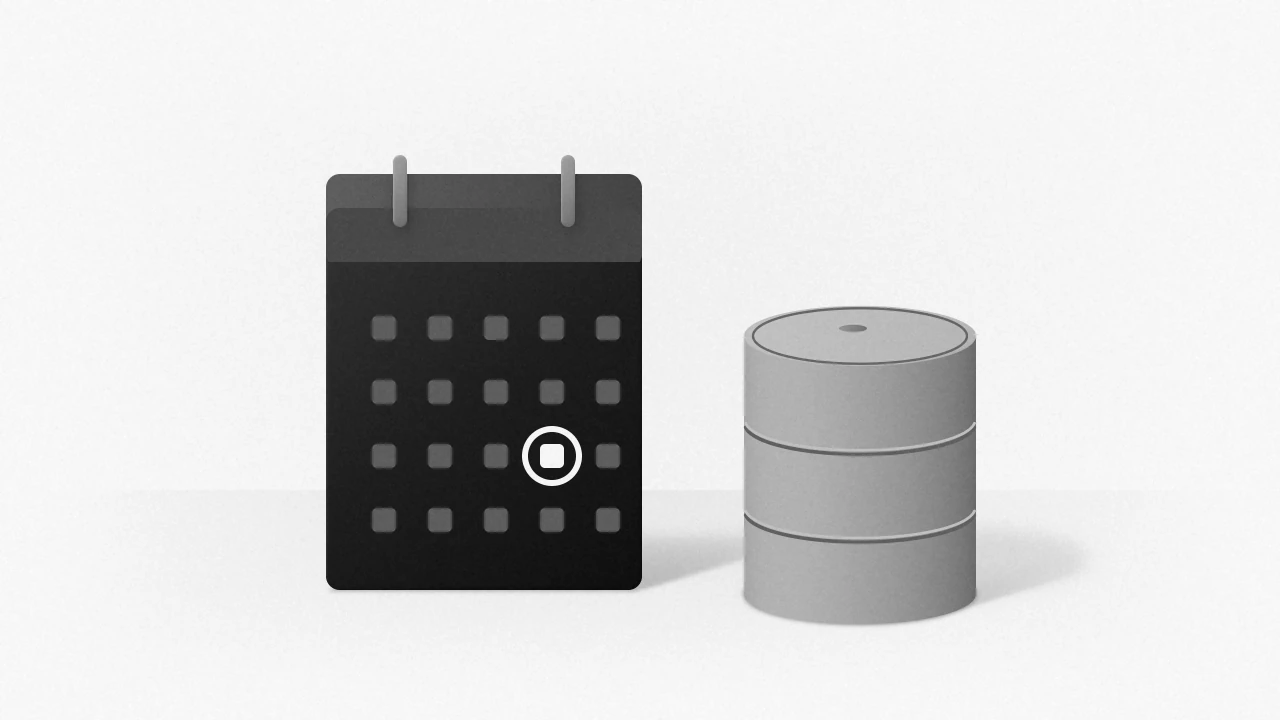
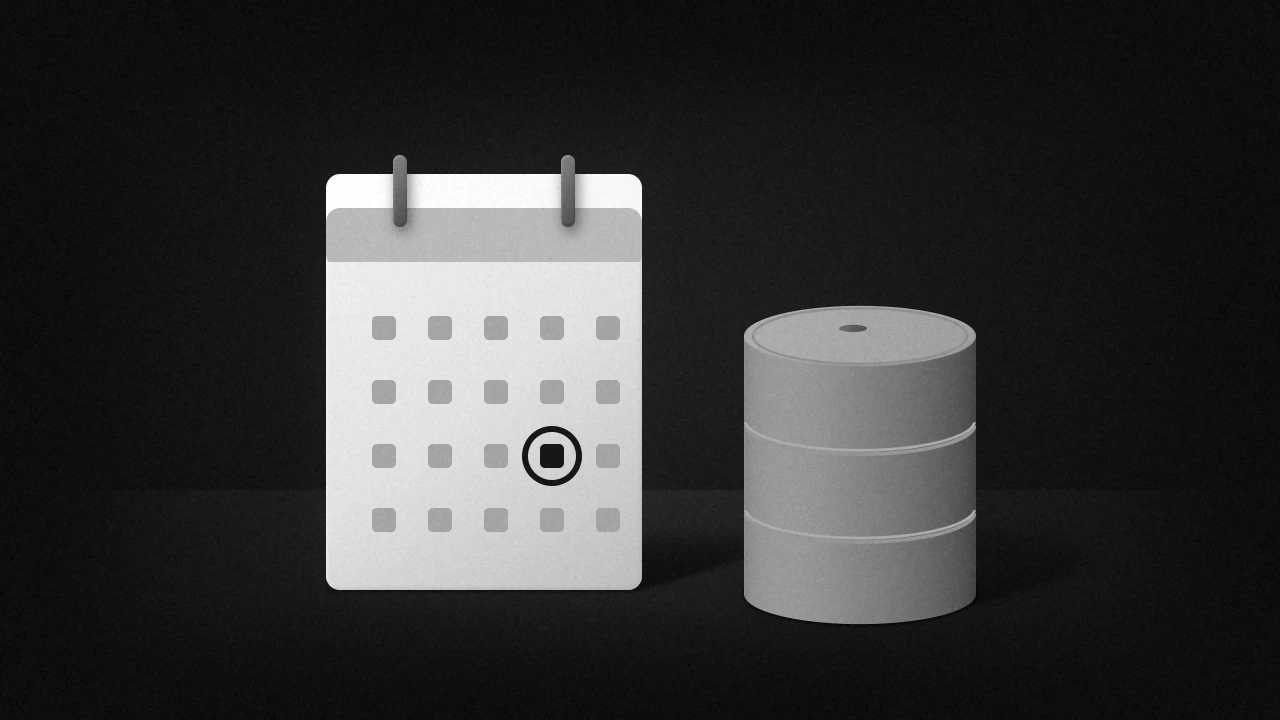
- A futures contract fixes today the price for a delivery in the future.
- Commodity prices in the news are usually the price of the nearest contract.
- Contracts expire, so a commodity's price has a calendar built in.
A price for later#
A farmer wants to know in spring what the autumn harvest will fetch. A miller wants to know what flour will cost. A futures contract lets them agree a price now for wheat delivered in six months. Exchanges made such contracts standard more than a century ago, and they are how most raw materials are priced today.
What a contract fixes#
| Term | Example: Brent crude oil |
|---|---|
| Quantity | 1,000 barrels |
| Quality | A defined grade of North Sea oil |
| Delivery month | One for every month of the year |
| Price | US dollars per barrel |
Who trades them#
- Producers and users, who want certainty: oil companies, airlines, food makers.
- Investors and traders, who take the other side and carry the price risk.
- Almost nobody takes delivery: contracts are closed or moved to a later month before they expire.
The curve#
Each delivery month has its own price. When later months cost more than near ones, the market is said to be in contango; when they cost less, in backwardation, which usually signals a shortage right now. The shape of that curve says more about supply than any single price.
Why it matters to an investor#
The price you follow is normally that of the nearest contract. As it nears expiry the reference moves to the next month, at a slightly different price, so a long chart of a commodity is stitched together from many contracts. It also explains oddities: in April 2020, with storage full, one US oil contract briefly traded below zero.