Risk and return: why they come together


Higher expected returns are the market's payment for putting up with bigger swings. How to read risk before you buy.


Key takeaways
- An asset that can gain 50 % in a year can lose 50 % in a year.
- Risk is not only the swings: it is also needing the money at the wrong time.
- How long you can leave the money alone decides how much risk you can carry.
No free lunch#
A savings account barely moves and pays little. Shares swing by tens of percent and, over long periods, have paid much more. Crypto swings harder still. The extra return is not a gift: it is what investors demand for living with the swings, and it is never guaranteed.
| Swings in a normal year | What can go wrong | |
|---|---|---|
| Cash | Almost none | Inflation eats its value |
| Large company shares | 10 to 20 % | A fall of a third in a bad year |
| Gold | 10 to 20 % | Years without any gain |
| Crypto | 50 % and more | Falls of more than half |
Two kinds of risk#
Volatility is the visible one: how far the price moves on the way. The quieter one is permanent loss: a company that fails, a coin that goes to zero, or being forced to sell a good asset at a bad moment because you need the money.
Time changes the picture#
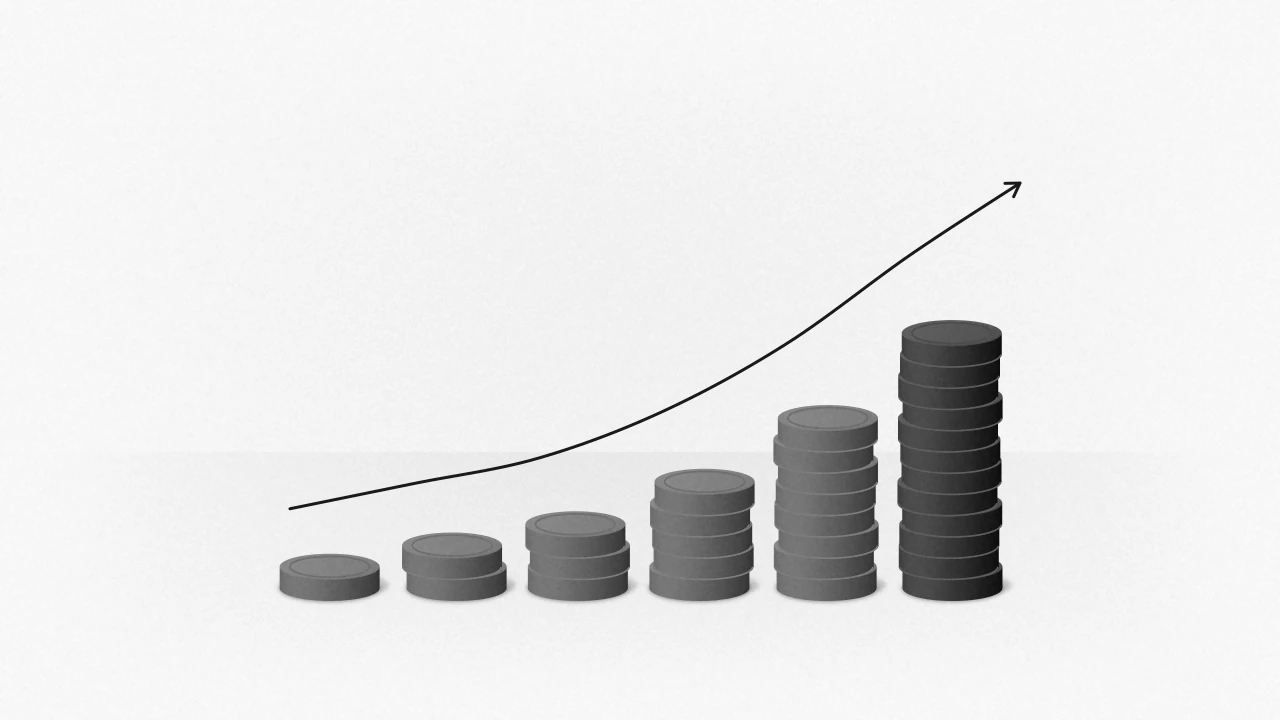
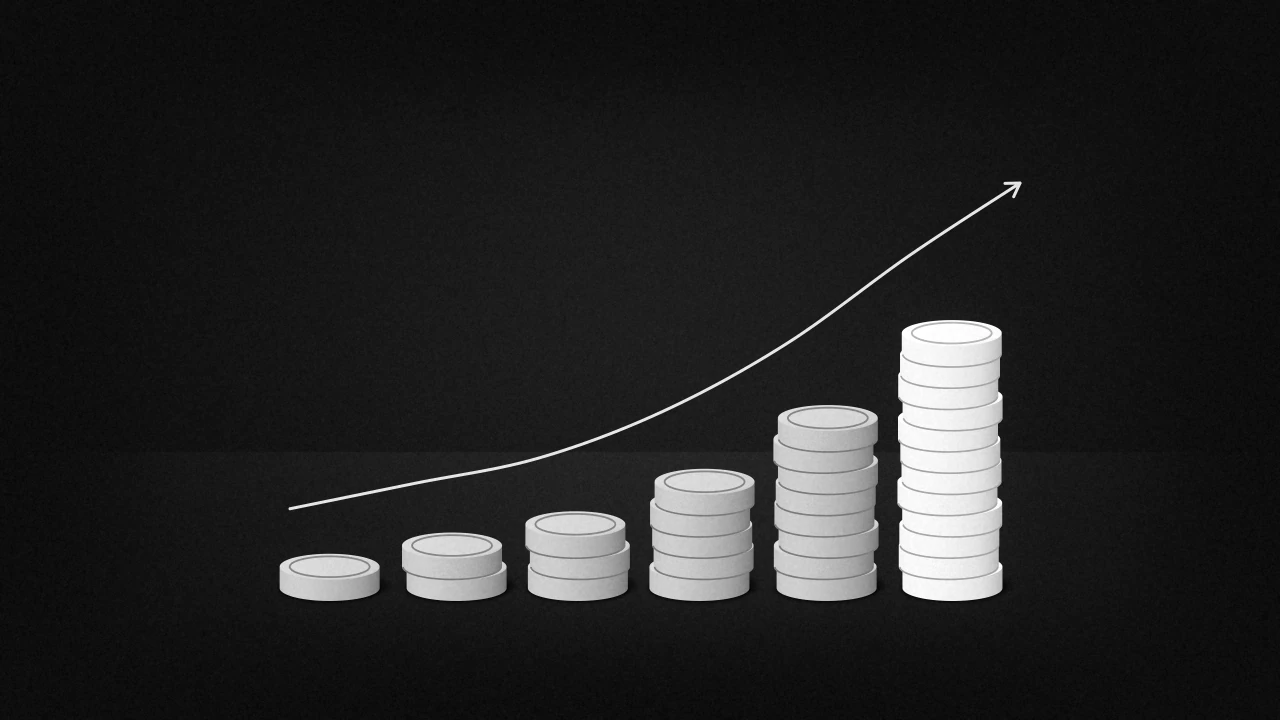
Over a single year, a broad basket of shares has lost money in roughly one year out of four. Over fifteen years it has rarely done so. Time doesn't make risky assets safe, but it gives them room to recover, which is why money you need next year belongs in cash.
Questions to ask before buying#
- How far has this fallen in its worst year?
- Could I leave it alone if it fell that far tomorrow?
- When will I need this money?
- How much of my total would this one holding be?
Past returns say nothing certain about future ones. An investment that has risen for years can still fall.