Leverage and margin, explained


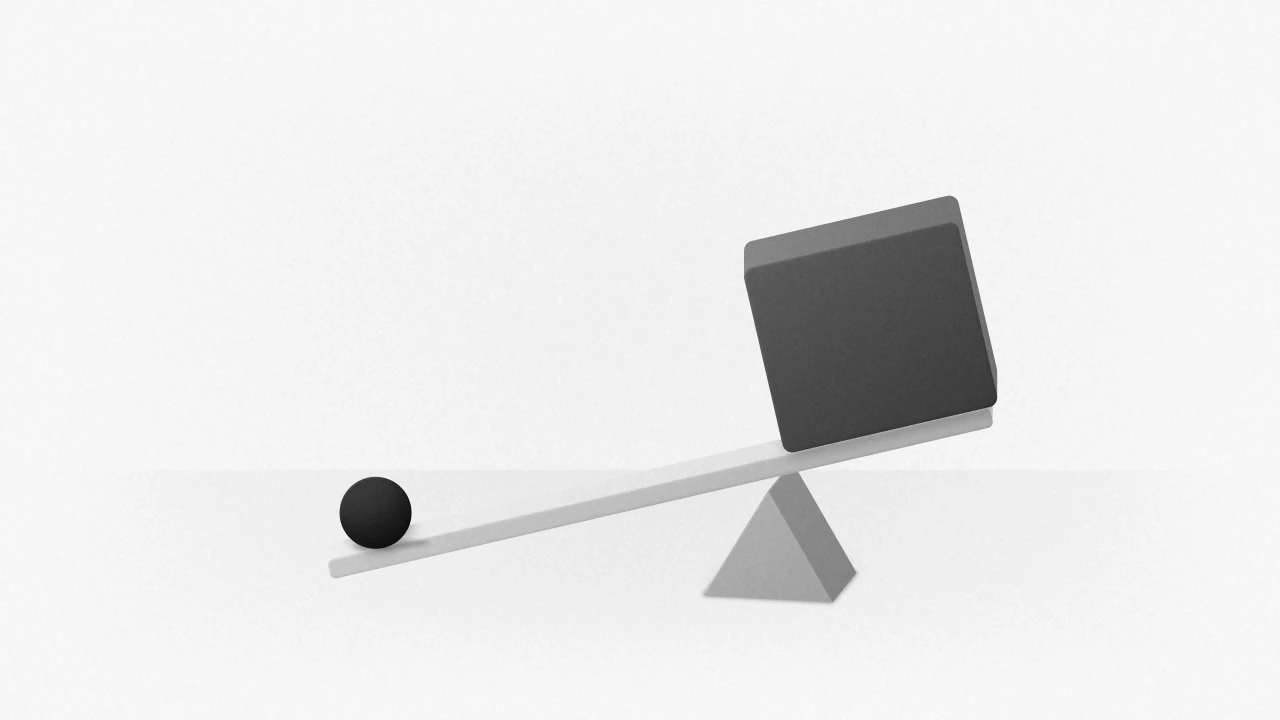
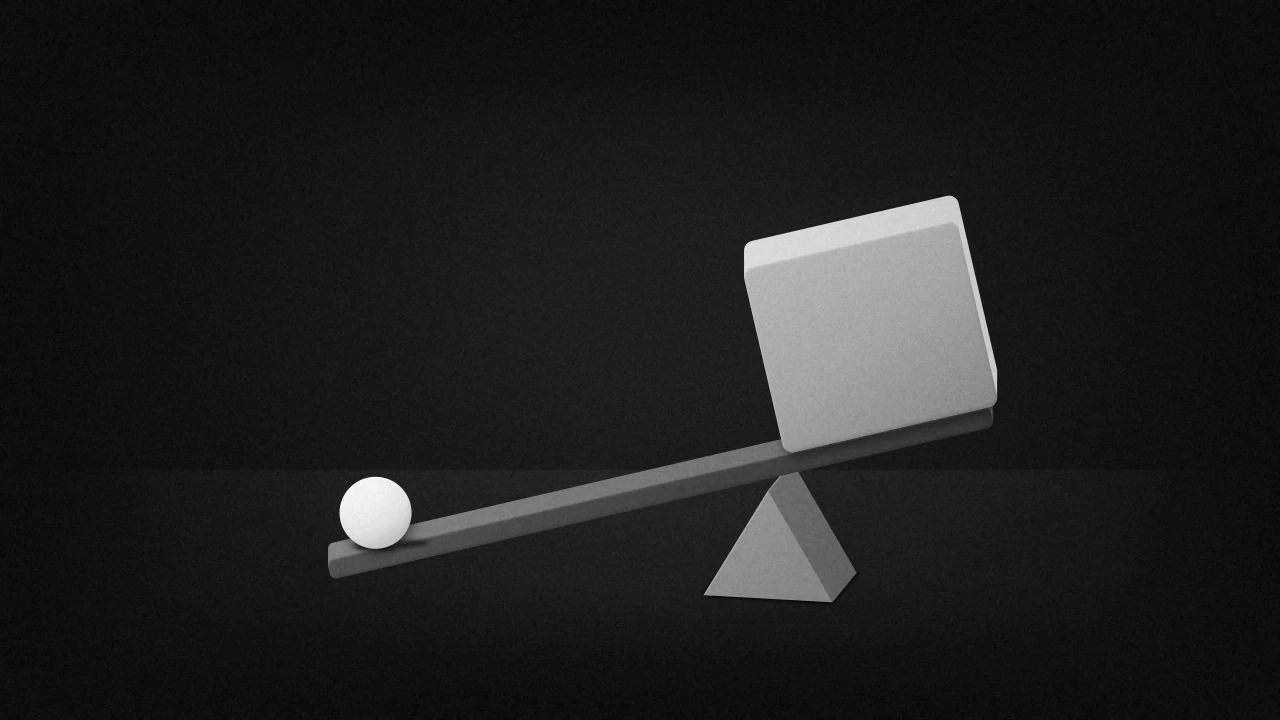
Leverage lets a small deposit control a large position. It multiplies gains and losses alike, and it can close your trade for you.
Key takeaways
- With 10× leverage, a 1 % move in the market is a 10 % move on your deposit.
- Margin is the deposit you put up; if losses eat into it, the position is closed.
- Leverage doesn't change how often you are right, only how much each mistake costs.
How it works#
You want a position of €10,000 in EUR/USD. With 20× leverage you put up €500 as margin and the platform covers the rest. The profit or loss is counted on the full €10,000.
| Market moves | On a €10,000 position | Against a €500 margin |
|---|---|---|
| +0.5 % | +€50 | +10 % |
| +2 % | +€200 | +40 % |
| −2 % | −€200 | −40 % |
| −5 % | −€500 | −100 % |
Margin and liquidation#
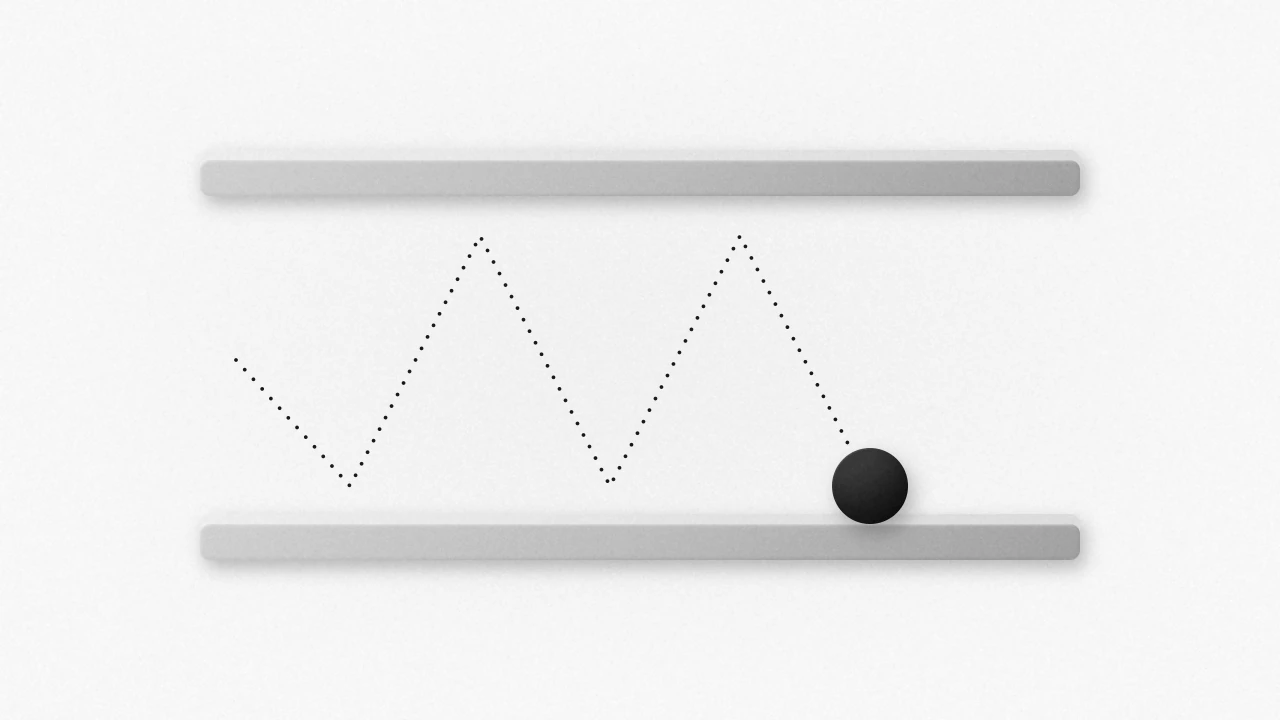
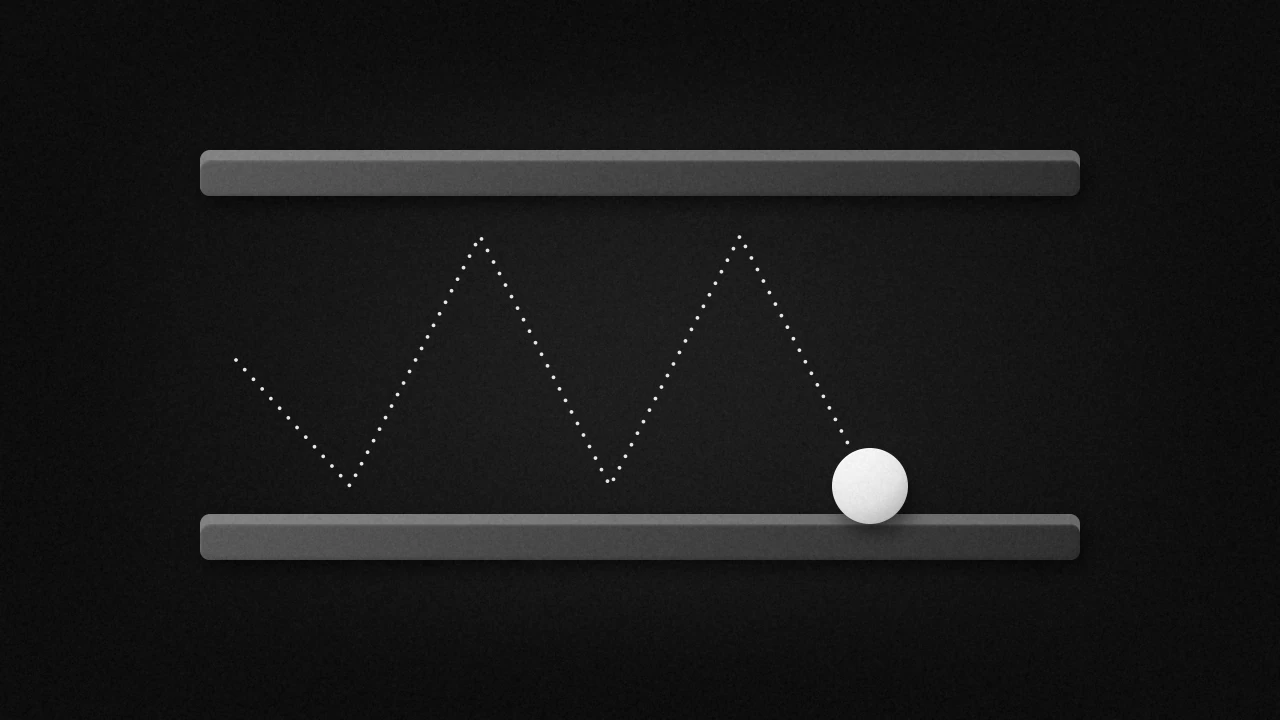
The margin is a deposit against losses. As a position loses, the margin left shrinks. Below a set level the platform closes the position automatically, which is called a liquidation, so that the loss can't grow beyond what you put up. It happens at the worst moment by definition: after the price has moved against you.
Why currencies are traded this way#
Major currency pairs move little: half a percent is a busy day. Leverage makes such moves worth trading. For that reason European rules allow private investors up to 30× on major pairs and 20× on the others, and far less on volatile assets.
What leverage costs#
- The spread, paid on the full position, not on the margin.
- Often a financing charge for each night a position stays open.
- Time: a leveraged position can be closed before your idea has had the chance to work.
Using it with care#
- Choose the size of the position first, then see how much leverage that implies, not the other way round.
- Keep spare funds in the account so normal swings don't trigger a liquidation.
- Set a stop where your idea is wrong, well before the liquidation level.
Most private investors lose money trading with leverage. Never use it with money you can't afford to lose.