Stop-loss and take-profit orders


Decide where you get out before you get in. Two orders do it for you: one limits a loss, the other banks a gain.
Key takeaways
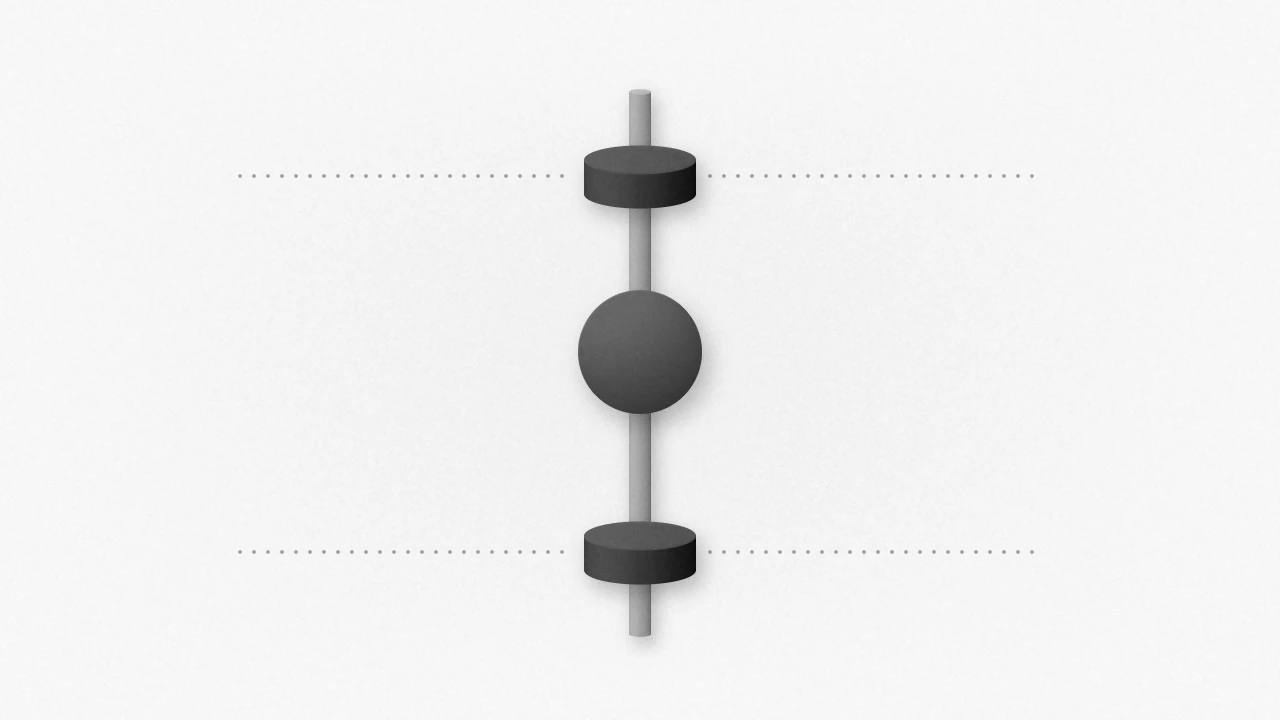
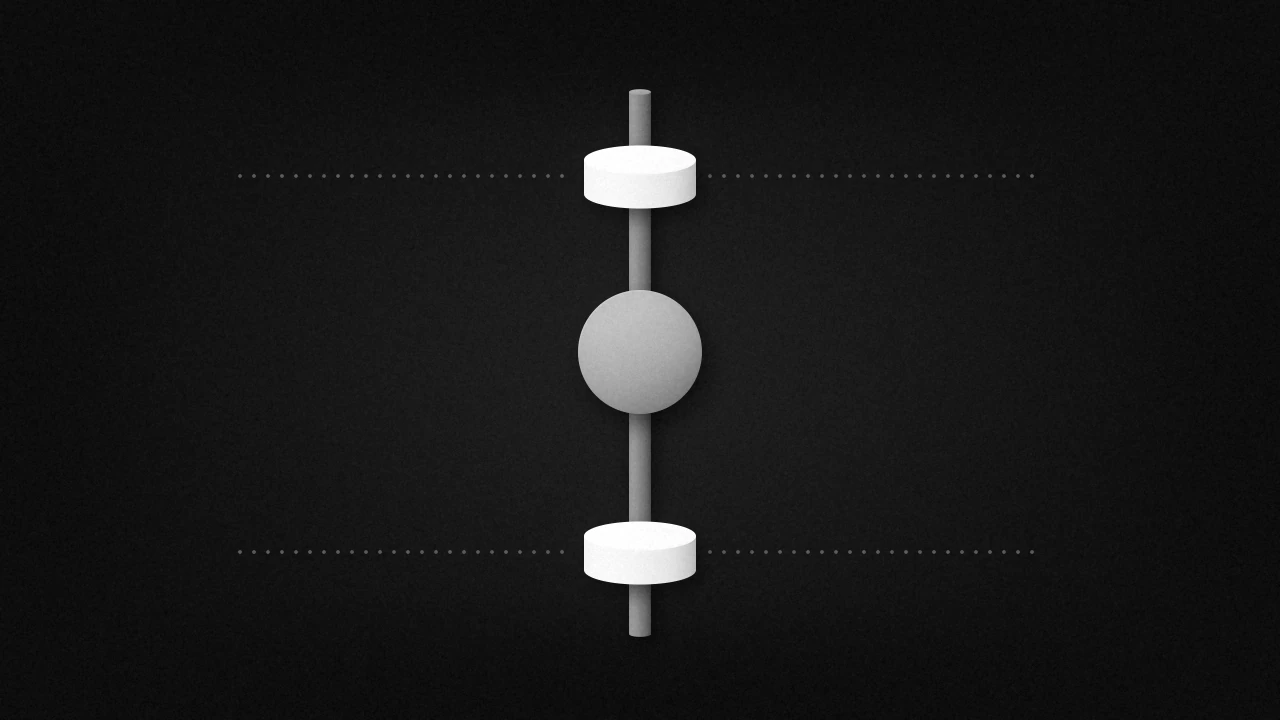
- A stop order sells when the price falls to a level you set.
- A take-profit is a limit order above the market that sells into a rise.
- A stop limits a loss but doesn't guarantee the price: in a fast market it can fill lower.
The stop order#
You own a coin bought at €100 and decide you won't accept a loss of more than 10 %. A stop order at €90 does nothing while the price is above €90. If the price falls to it, the order wakes up and sells.
The take-profit#
The mirror image is a limit order to sell at a higher price, say €130. It waits in the book and fills if the market reaches it, whether or not you are watching.
| Stop-loss | Take-profit | |
|---|---|---|
| Placed | Below the current price | Above the current price |
| Purpose | Cap the loss | Bank the gain |
| Order type | Stop | Limit |
| Risk | Fills below your level when the price jumps | Never reached, so never filled |
Slippage and gaps#
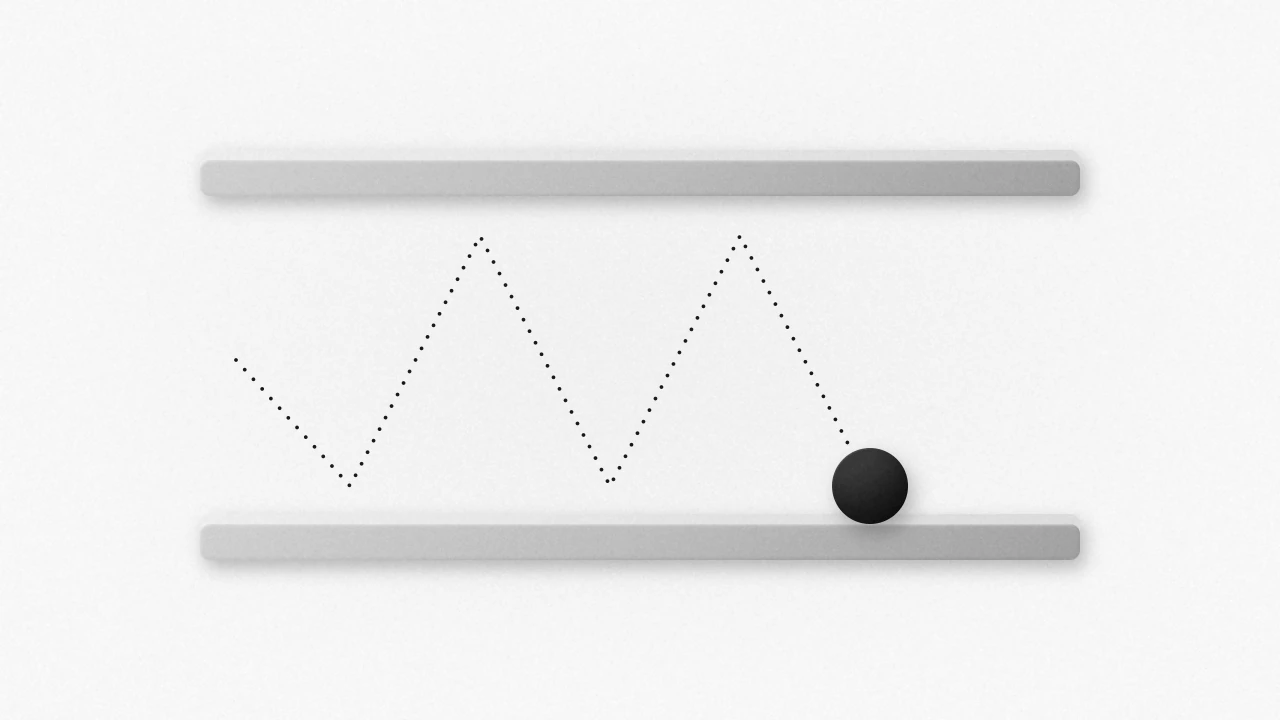
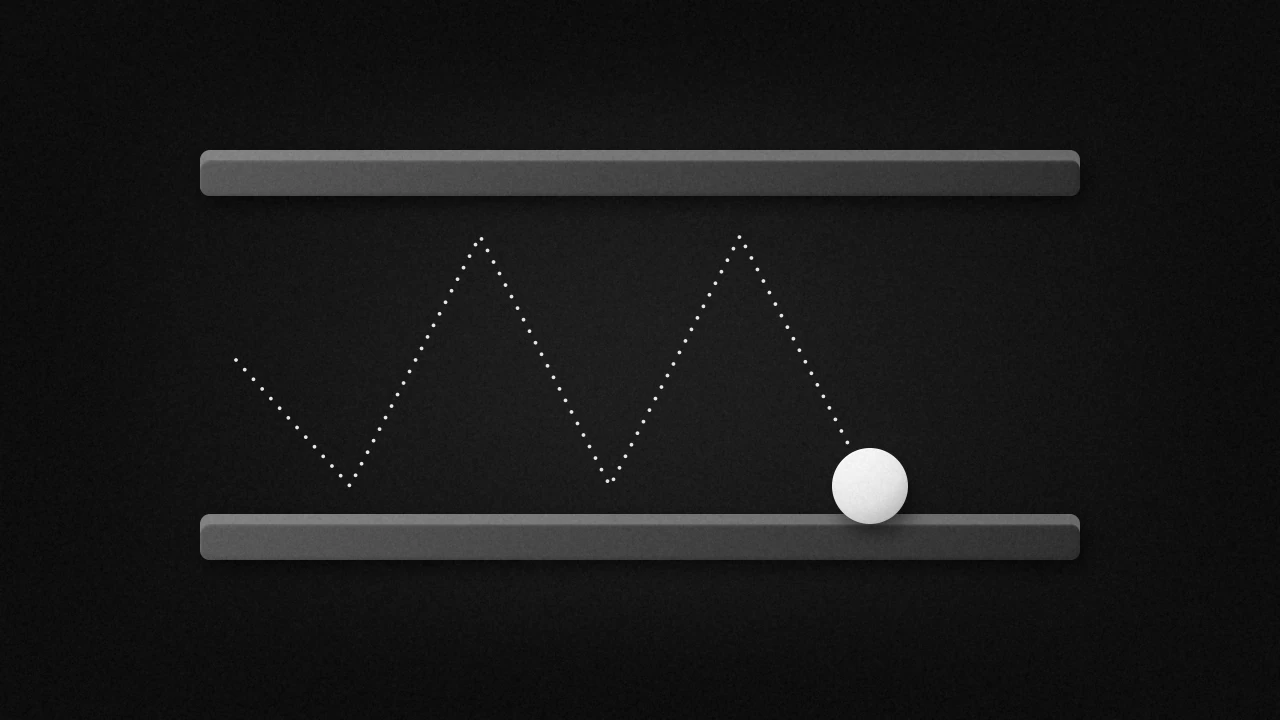
In its simplest form a stop becomes a market order once it is triggered. If the price jumps straight from €92 to €85, on news or when a market opens, the stop fills near €85, not €90. In crypto this is rare outside violent moves; in shares it happens at the open after overnight news.
Where to put a stop#
- Not too close: normal daily swings would knock you out of a good position.
- At a level that proves your idea wrong, such as below a recent low.
- Sized so that the loss, if it comes, is a small part of your account.
Why set them in advance#
Decisions made with money on the line and a price falling fast are rarely good ones. An order placed while calm takes that decision out of the heat. Moving a stop further away once the price nears it defeats the point.
Try both orders in the practice terminal to see exactly when each one fills.